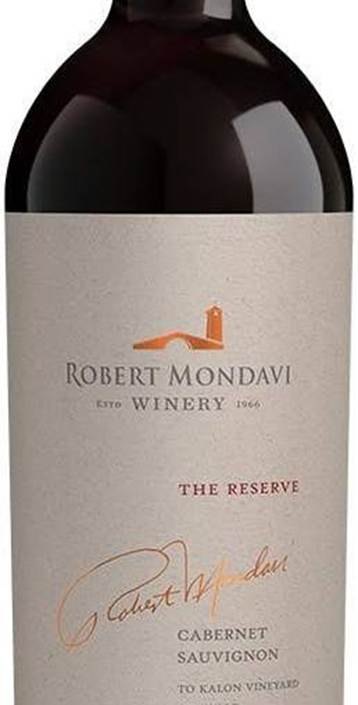
Robert Mondavi Reserve Cabernet Sauvignon Tasting
With Special Guest Jacob Steiner
Wednesday, September 6th
7:30pm
1984 Robert Mondavi Cabernet Sauvignon Reserve
1987 Robert Mondavi Reserve Cabernet Sauvignon Napa
1988 Robert Mondavi Winery Reserve Cabernet Sauvignon, Napa Valley
1998 Robert Mondavi Winery Reserve Cabernet Sauvignon Napa Valley
2001 Robert Mondavi Cabernet Sauvignon Reserve Napa
2009 Robert Mondavi Cabernet Sauvignon Reserve Napa
2013 Robert Mondavi Winery Reserve Cabernet Sauvignon Napa Valley
2014 Robert Mondavi Winery Reserve Cabernet Sauvignon Napa Valley
2015 Robert Mondavi Winery Reserve Cabernet Sauvignon Napa Valley
Menu
Selection of Cheese and Charcuterie
Mushroom Soup with Amontillado Sherry and Crème Fraiche
Duck and Foie Gras Pasta with Sundried Tomatoes and Goat Cheese
Beef Bourguignon Served in Yorkshire Pudding
Double Chocolate Chip Bourbon Pecan Pie
The fee for this tasting which includes dinner and gratuity is $325 + tax, for reservations call 954-523-9463 or e-mail andy@winewatch.com. Please let us know when you make your reservations if you have any food allergies or aversions and chefs Toni and Dani will be happy to accommodate you.
If you are coming to the dinner the happy hour is included at no additional charge.
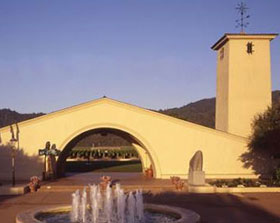
A Brief History of Robert Mondavi Winery:
In 1965, Robert Mondavi, the winemaker and a partner at the venerable Charles Krug Winery, left Krug in a bitter feud with his brother and his mother Rosa over the future direction of the Charles Krug Winery. Determined to make wines that reflected his vision and ambition, Robert started his own winery in 1966 with $200,000 borrowed from friends and financial backing from the Rainier Brewing Co. Mondavi eventually bought out his investors so that his immediate family could wholly control the winery. Although the dream of creating a large, first-class winery may seem quite common-place today, it was a bold new venture forty years ago. A few small wineries sprung up in the fifties and the early sixties, but the Robert Mondavi Winery was the first major operation to open its doors since Prohibition. Production the first year was only 23,000 cases; today the winery has maxed out at about 500,000 cases. In April of 1993 Robert Mondavi - then 80 years old - decided that he needed to make a public stock offering to finance further expansion and to replant many of his vineyards devastated by the phylloxera root louse. It was the first public stock offering for a winery since the Chalone Group made the move a decade earlier in 1984.
Today, Constellation Brands, the parent company that owns the Robert Mondavi winery and the brand name produces over twenty million cases of wine annually. Production began to climb for the Robert Mondavi brand when they purchased the adjunct facility Woodbridge in 1979 in California's San Joaquin Valley. Production climbed in a few short years to over two and a half million cases annually. It is there that Mondavi introduced his line of everyday red and white wines, once affectionately known as "Bob Red" and Bob White". The Woodbridge brand has become one of the most successful labels in the low-priced varietal category of generic California wines. Because Mondavi felt that his home winery in Oakville had reached its limits, he purchased the ailing Vichon winery in 1985 in order to give his family an opportunity to continue their growth in the quality end of the spectrum. Vichon's production climbed well over the 100,000 case mark, and the brand name was then changed to Vichon Mediterranean, the juice started to flow from the South of France. The Vichon winery in Napa then became home to the La Famillia line of Italian varietal wines. In 1991 Robert Mondavi then purchased Byron Vineyards, one of the top wineries in Santa Barbara and one of the best producers of Chardonnay in California. In 2000 Mondavi purchased Arrowood winery in Sonoma, adding yet another outstanding quality winery to its family of fine wines. In the early nineties Mondavi launched two new lines of wines. The first was a line of premium wines known as appellation wines. The three appellation wines included; an Oakville District Cabernet Sauvignon, a Stags Leap District Sauvignon Blanc, and a Carneros Pinot Noir, these appellation wines were positioned between the regular Mondavi bottlings and the reserve wines. The second line of wines (introduced in 1995) was the Robert Mondavi Coastal brand. This debuted with a moderately-priced 1993 Chardonnay made with grapes sourced primarily from California's South Coast districts of Monterey, Santa Barbara, and San Luis Obispo.
Across the highway from the winery in Oakville sits the impressive OPUS ONE facility completed in 1993. The idea of the joint venture may be Robert Mondavi's single greatest achievement. Mondavi and the late Baron Rothschild shocked the wine world some thirty years ago when they announced a joint Franco-American venture. Mondavi had always been known as the consummate marketer; and OPUS ONE - a Napa Valley wine that joined the most renowned vintner of France with the most famous wine producer of America - was his crowning achievement. In addition to his market smarts, Mondavi is also known for his championing of technology over art in the making of wine. He was the first to espouse the theory that American know-how in technology could and would result in American superiority in wines. However, as this elder statesman has mellowed and grown wiser in later life, he no longer clings so fiercely to this belief. He laments the fact that his winery does not have the image of the boutiques; and he admits - without completely eschewing the necessity of technology - that the small, hand-made wines may be the best. For that reason, in the middle 1980's the Mondavi Winery gradually began a shift back to the traditional, natural way of producing wines that were completely unfined and unfiltered. In February of 1991 Robert Mondavi passed the baton and gave full control to his two sons, who at that time were both jointly accountable for the future of the Robert Mondavi Winery. The older son Michael was responsible for the operational side of the winery and his brother Tim handled the winemaking.
Possibly no vintner in California did it better on a grand scale than Robert Mondavi. It is true that his regular bottlings - always good and consistently reliable - have usually not risen above the pack in their price class since the late 1970's, but Robert Mondavi Winery really "struts his stuff" with his Reserve wines. The Chardonnays and Cabernets have been consistent standouts for years, and lately we have been very impressed with the Reserve Fumé Blancs from the To-Kalon Vineyard.
The biggest news in California wine history took place in 2004 during the final year of the Robert Mondavi Winery’s reign as the U.S.’s most iconic wine family. It was that year that Constellation brands bought a majority share in the company’s stock kicking the Mondavis out of the winery with their namesake putting Genevieve Janssens in charge of the winemaking at the winery that started making Bordeaux-like classic American wine. In the aftermath of the four years since the Mondavis lost their Napa Valley property, the humble and talented Genevieve Janssens has passed the winemaking torch over to Kurtis Ogasawara who has been with the winery since 2015, so maintaining the consistency of the quality classic red wines produced for the world’s largest and most respected wine corporations is in good hands once again.